








![Sales & Distribution [Oil & Gas]](https://cdn-server-ssg.hiddenbrains.com/Hire/_next/static/media/sales_and_distribution-icon.74d08193.svg?1.0.0 "Sales & Distribution [Oil & Gas]")

![Fluid Terminal Management [Oil & Gas]](https://cdn-server-ssg.hiddenbrains.com/Hire/_next/static/media/fluid_terminal_management-icon.4b3a27a4.svg?1.0.0 "Fluid Terminal Management [Oil & Gas]")































































Get 2 hours of free consultation!
Hire Expert Google Antigravity Developers
Build, Extend & Scale Workflows with Dedicated Antigravity ExpertsLooking to hire antigravity developers who can configure, extend, and operationalize Antigravity for real-world engineering teams, enterprise workflows, and AI-driven development environments.
Driving Global Success with Our Expertise












Why Hire Antigravity Developers from Hidden Brains?
Google Antigravity is not just an AI editor. To use it effectively, teams must understand agentic workflows, IDE extensibility, AI model orchestration, and secure enterprise adoption. That’s where experienced Antigravity talent matters.

Enterprise-ready AI Development

Full-stack IDE Expertise

Effective Team Augmentation

Beyond Code Completion

Security & Compliance First

Business-Aaligned Outcomes
Our Easy 5-step Process to Hire Antigravity Engineers
Hiring with Hidden Brains is simple and enterprise-friendly, whether you want to hire antigravity engineers for experimentation or long-term AI-led development.

Share Your Needs
Tell us your Antigravity use cases, AI coding, agentic testing, IDE automation, or Gemini-powered workflows.
Consult Antigravity Experts
Speak with specialists who understand Google Antigravity, Gemini models, and IDE internals..
Select Engagement Model
Hire antigravity developers hourly, part-time, or as a fully dedicated Antigravity team.
Onboard & Launch
Quick onboarding with minimal friction and immediate execution.
Scale Seamlessly
As your project grows in complexity, we scale your agentic capabilities to handle enterprise-level demands.
Tech Stack for Scalable Google Antigravity Development
Google Antigravity–powered development demands more than an AI code editor. It requires the right mix of AI models, agentic workflows, IDE extensibility, DevOps pipelines, and secure enterprise infrastructure. We use a proven Antigravity-ready stack built for performance, governance, and scale.
Build AI-assisted and agentic development workflows using Google-native and open AI frameworks.
 Google Antigravity
 Gemini
 Vertex AI SDK
 LangChain
 OpenAI APIs
Languages most commonly used and supported in Antigravity-driven development environments.


- Google Antigravity
- Gemini
- Vertex AI SDK
- LangChain
- OpenAI APIs
Store, index, and retrieve code, documentation, and contextual knowledge efficiently.


- Google Antigravity
- Gemini
- Vertex AI SDK
- LangChain
- OpenAI APIs
Manage long-context code understanding, task memory, and agent state.


- Google Antigravity
- Gemini
- Vertex AI SDK
- LangChain
- OpenAI APIs
Enable semantic search, code reasoning, and AI-assisted navigation.


- Google Antigravity
- Gemini
- Vertex AI SDK
- LangChain
- OpenAI APIs
Deploy, monitor, and scale Antigravity-enabled development workflows.


- Google Antigravity
- Gemini
- Vertex AI SDK
- LangChain
- OpenAI APIs
Connect Antigravity with developer tools and enterprise systems.


- Google Antigravity
- Gemini
- Vertex AI SDK
- LangChain
- OpenAI APIs
Secure Antigravity development environments with enterprise-grade infrastructure.


- Google Antigravity
- Gemini
- Vertex AI SDK
- LangChain
- OpenAI APIs
Here’s What You Can Hire Our Antigravity Developers For
Hire experienced professionals who know how to turn Antigravity into a real productivity engine.

Custom Antigravity IDE Setup
Configure Antigravity IDE environments aligned to team roles, repositories, branching strategies, linters, and organization-wide coding standards.
Enterprise Antigravity Integration
Embed Antigravity seamlessly into existing development workflows, source repositories, CI/CD pipelines, and collaborative engineering processes.
Agentic Artifacts & Automated Testing
Create agentic artifacts that automatically generate tests, validate changes, prevent regressions, and enforce consistent code quality.
AI Model Configuration & Optimization
Configure and tune Gemini, Claude, or GPT models to balance accuracy, latency, reliability, and operational cost.
Prompt & Workflow Engineering
Design scalable prompt patterns and workflow structures that deliver predictable, high-quality AI coding outputs consistently.
Consulting & Adoption Strategy
Define Antigravity adoption strategy covering rollout planning, governance models, developer training, change management, and long-term optimization.
Our Success Stories

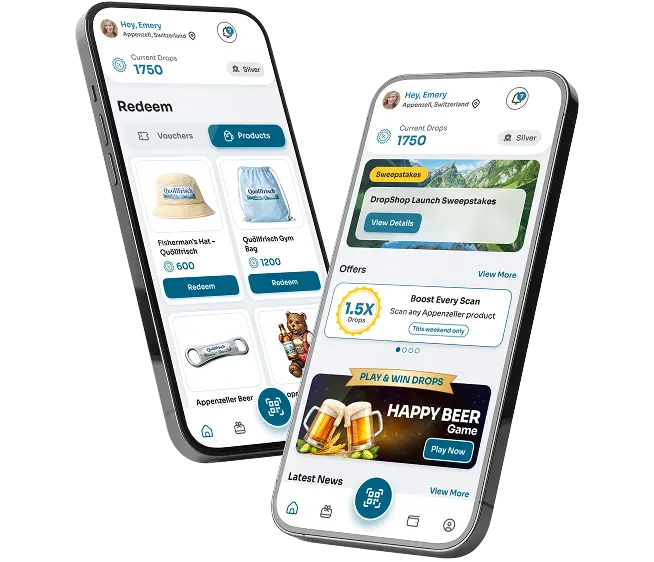
AI-powered QR-based Loyalty Platform
The AI-powered platform automates rewards, personalizes engagement, and centralizes campaign management for enterprises. It boosts accuracy, participation, and repeat customer interactions.
Our Success Stories

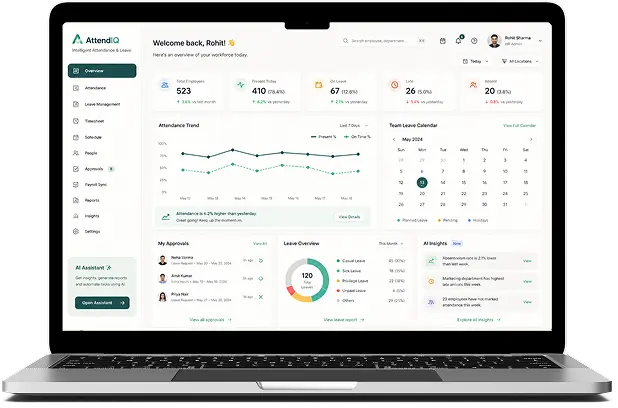
AI-built Attendance & Leave Platform
A centralized platform managing attendance and leave with built-in automation for workforce operations. Cuts manual effort by 70%, ensures compliance, and delivers accurate, payroll-ready data.
Our Success Stories

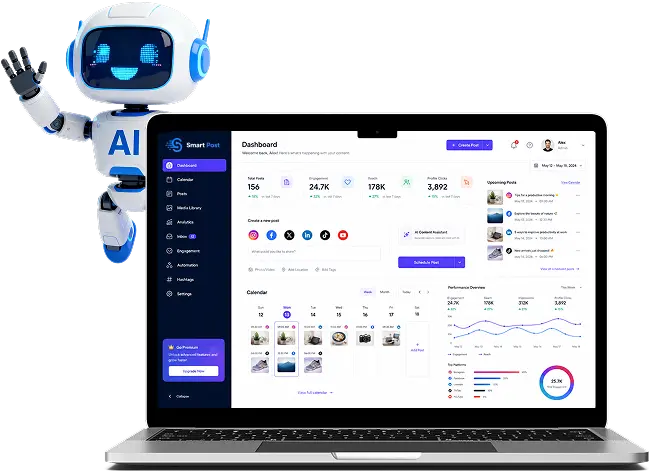
AI Automation Platform for Social Media
Streamline your social media workflow, from topic discovery to publishing, with intelligent automation. Boosts speed, consistency & control while reducing manual effort by 75%+.
Flexible Hiring Models for Google Antigravity Developers
Select an engagement model that matches your Antigravity implementation goals, development pace, and investment plans. From continuous engineering support to short-term expert intervention, our hiring options are designed for serious AI-powered development.
- Recommended
Part-time Developer
Gives you ability to expand or reduce per your project scope.
- Adjustable hours based on project scope
- Weekly or monthly invoicing flexibility
- Ideal for pilots & evolving needs
- Engineers onboarded in 48–72 hrs
- Recommended
Full-time Antigravity Engineer
Designed for sustained growth, stable products, and strong cultural alignment.
- Predictable monthly delivery cycles
- Flexible duration for short- or long-term engagement
- Unlimited AI team scalability
- Experts in Antigravity & agentic AI
- Recommended
Hourly Antigravity Engineer
On-demand Antigravity expertise with complete control over time and budget.
- Hourly Block Payment Structure
- Flexible hours tailored to your needs
- Ideal for project-specific tasks
- No long-term commitment
What to Check Before You Hire Antigravity Experts
Before you hire antigravity engineers, validate these essentials.
Define Clear Project Goals
Ensure your Antigravity objectives, success metrics, and expected outcomes are clearly outlined before starting hiring.
Practical Antigravity IDE Experience
Verify candidates have real, hands-on experience configuring and using Google Antigravity in working environments.
Strong Programming & Tool Skills
Look for solid proficiency in Python, TypeScript, and relevant tooling for advanced engineering workflows.
Agentic Workflows & RAG Understanding
Check ability to build autonomous task flows, retrieval systems, and contextual knowledge pipelines.
Integration & DevOps Expertise
Ensure familiarity with CI/CD, repositories, test automation, and deployment pipelines for enterprise environments.
Security, Compliance & Governance Awareness
Validate understanding of secure coding, access control, audit trails, and enterprise compliance.
Communication and Problem-solving Skills
Look for strong collaboration, clear articulation of complex topics, and creative problem resolution abilities.
10 Must-have Skills for a Good Antigravity Developer
A skilled Antigravity developer understands how Google Antigravity works, including agent execution, context handling, limitations, and IDE behavior. This foundation ensures reliable AI-assisted development aligned with real engineering workflows.
Effective Antigravity usage depends on structured prompts and task flows. Developers must design repeatable prompt patterns that maintain context, reduce errors, and deliver consistent results across complex codebases.
Antigravity developers should know how to ground AI outputs using internal repositories, documentation, and knowledge sources through retrieval-augmented workflows for accuracy and relevance.
Experience with embeddings and vector search enables Antigravity systems to understand large codebases, documentation, and historical context efficiently at scale.
Antigravity rarely operates alone. Developers must integrate it with repositories, CI/CD pipelines, testing frameworks, and internal tools to enable end-to-end automation.
Modern Antigravity use cases require building agentic workflows that plan tasks, generate code, validate changes, and trigger actions across development pipelines.
A strong Antigravity developer understands access control, data handling, audit logging, and governance to ensure safe enterprise adoption of AI-assisted development.
Antigravity usage must be optimized for latency, resource consumption, and model limits. Skilled developers design workflows that balance performance with predictable operating costs.
Production Antigravity systems require monitoring and validation. Developers should implement testing strategies, track failures, and continuously improve AI output quality.
Antigravity developers must clearly explain AI behavior, limitations, and outcomes to engineering leaders, stakeholders, and compliance teams for trust and alignment.

Google Antigravity Developers from Hidden Brains vs Other Hiring Options
While many hiring routes focus on basic AI tooling or early experimentation, Hidden Brains provides production-ready Google Antigravity developers built for scale, governance, and measurable engineering outcomes.
| Factor | Hidden Brains | In-House Team | Recruitment Agencies | Freelancers |
| Antigravity Expertise | Pre-vetted mid & senior Antigravity engineers with real-world implementation experience | Often limited to general developers learning Antigravity | Depends on available profiles | Highly inconsistent |
| Time to Hire | 48–72 hours | 4–6 weeks | 2–4 weeks | Days or weeks |
| Use-case Understanding | Strong alignment across agentic workflows, IDE automation, and DevOps integration | Requires ramp-up and training | Varies by candidate | Often shallow |
| Engagement Models | Flexible: full-time, part-time, hourly | Fixed payroll | Fixed retainers | Hourly or fixed |
| Collaboration Structure | SLA-driven, process-aligned delivery | Workload dependent | May vary | Individual dependent |
Frequently Asked Questions (FAQ’s)
Get clear answers to common questions about hiring Antigravity developers, engagement models, security considerations, timelines, and enterprise adoption.
- Deep discovery of your business needs
- Intelligent architecture design
- AI model integration and training
- Continuous optimization post-deployment
- Performance monitoring
- Bug fixes and updates
- Feature enhancements
- AI model retraining and optimization
- Slack or Microsoft Teams for daily communication
- Zoom or Google Meet for regular check-ins
- Jira, Trello, or ClickUp for task tracking
- Share your requirements or idea
- Get a tailored proposal and timeline
- Interview developers (if needed)
- Kick off your project
- Strong expertise in AI/ML integration
- Experience with interactive and immersive web technologies
- Solid understanding of scalable architecture
- Problem-solving mindset and attention to detail
Give Your Engineering Workflows a Smarter Edge
Blogs & Insights
Expert insights on Google Antigravity, AI code editors, agentic development, and modern engineering workflows.



Our Honored Partners
Distinct paths, same result — purposeful, precise, powerful.



to real-world impact.
They were simply the experts in AI technology. What was just an idea for me, they went the extra mile and made it a solution. My business has witnessed a positive change.

in our journey.
Hidden Brains didn’t just develop our platform—they became true partners. Their team understood our vision, offered smart suggestions, and treated Epicquire like their own.

integrations look easy.
Team Hidden Brains has worked tremendously and has easily integrated this complex functionality into our system. They were good at their job and provided continuous support.

with Hidden Brains.
Throughout the project, communication was seamless and efficient. I want to express my appreciation for the wonderful job and the excellent service that Hidden Brains, did in creating my first ever App ControlBabyGender.




Talk to Us
Ideas matter. Our direction makes them real.

