






![Sales & Distribution [Oil & Gas]](https://cdn-server-ssg.hiddenbrains.com/Hire/_next/static/media/sales_and_distribution-icon.74d08193.svg?1.0.0 "Sales & Distribution [Oil & Gas]")

![Fluid Terminal Management [Oil & Gas]](https://cdn-server-ssg.hiddenbrains.com/Hire/_next/static/media/fluid_terminal_management-icon.4b3a27a4.svg?1.0.0 "Fluid Terminal Management [Oil & Gas]")






































































































Get 2 hours of free consultation!
Global Success Delivered for Our Clients
Africa's largest shopping App, Across USA & UK Stores





Hidden Brains - Your React Native Partner
Hire React Native developers with Hidden Brains to eliminate platform silos, bringing clarity to your roadmap and predictability to your budget. We are the partner who simplifies processes and ensures seamless, scalable solutions.

Industry-specific
Expertise

Expertise-ready
Solution

Flexible Engagement
Model

Global
Delivery

Large Pool
of Talent

Risk-free
Partnership
Expertise
Solution
Model
Delivery
of Talent
Partnership
Onboard React Native Developers Quickly
Your enterprise deserves precise hiring. At Hidden Brains, we’ve set a process for quick onboarding of React Native programmers into your system.

Strategic Discovery
Analyze your project roadmap to align our React experts with your core business objectives.
Expert Consultation
Interview our shortlisted candidates to ensure their technical mastery matches your vision.
Engagement Model
Select the engagement model that aligns with your goals and secures your IP with NDAs.
Rapid Onboarding
Integrate our dedicated developers into your workflow for immediate, high-quality deployment.
Seamless Scaling
Dynamically adjust your team size as your requirements evolve to maintain a competitive edge.
Technology Stack
Hire react native app developers who are technical experts and select the right stack to ensure your enterprise apps remain robust and stable as you scale up.
Powering the app’s logic and flow, we combine the right technologies for performance, scalability, and efficiency.
 React Native
 JavaScript
 TypeScript
Choosing the right libraries and tools, our developers use the best building blocks for efficient app creation.


- React Native
- JavaScript
- TypeScript
Powers your app with scalable server-side logic and robust data communication layers.


- React Native
- JavaScript
- TypeScript
Leveraging optimal databases, we ensure fast data storage, retrieval, and scalability.


- React Native
- JavaScript
- TypeScript
Safeguarding your app with secure authentication ensures smooth and safe user access.


- React Native
- JavaScript
- TypeScript
Through rigorous testing and debugging, we guarantee your app runs flawlessly across all devices.


- React Native
- JavaScript
- TypeScript
By implementing CI/CD, we ensure seamless integration, faster releases, and reliable app performance.




- React Native
- JavaScript
- TypeScript
Through performance enhancements and optimization, we improve speed, responsiveness, and efficiency.


- React Native
- JavaScript
- TypeScript
Hire React Native Experts for End-to-end Development
Launch on iOS and Android with a single codebase. Cut development costs while maintaining a native experience, even for complex, secure apps. Access senior talent that seamlessly integrates with your team and delivers 2x faster.

Full-cycle App
DevelopmentFrom ideation to deploying high-performance, scalable, secure apps on both the App Store and Google Play, we do it all.
Native-to-react
MigrationWe transition your legacy iOS or Android app seamlessly into a unified, modern React Native codebase without a second of downtime.
High-performance
UI/UXHire React Native developers to build interfaces that aren't just responsive; they are optimized for 60fps animations and a true native feel.
Custom Native
ModulesWhen "off-the-shelf" isn't enough, hire our React Native developers to write custom Swift/Kotlin bridges to tap into specialized device hardware.
MVP
DevelopmentLaunch a market-ready product in 6–8 weeks to validate your idea, attract early adopters, and secure your next round of funding.
Audit &
OptimizationIs your current app slow? Hire certified React Native developers to refactor messy codebases, fix memory leaks, and cut your app’s load time.
Our Success Stories

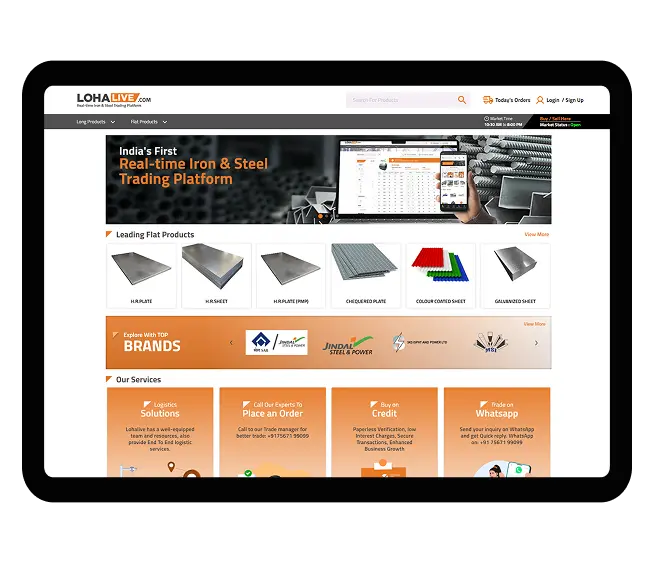
Real-time Iron & Steel Trading Platform
Lohalive has made buying and selling steel simple and fast with an easy-to-use website and mobile app. People can check live prices, buy/sell credit facilities, and track their orders.
Our Success Stories

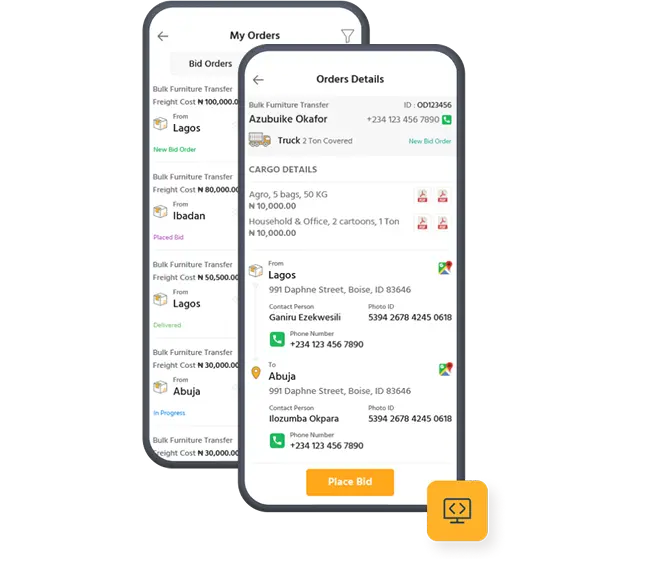
Deliver Any - Solving Freight Challenges
Transformed logistics with our custom platform development. We provide real-time tracking, route optimization, and seamless integration to improve efficiency and reduce costs.
Our Success Stories

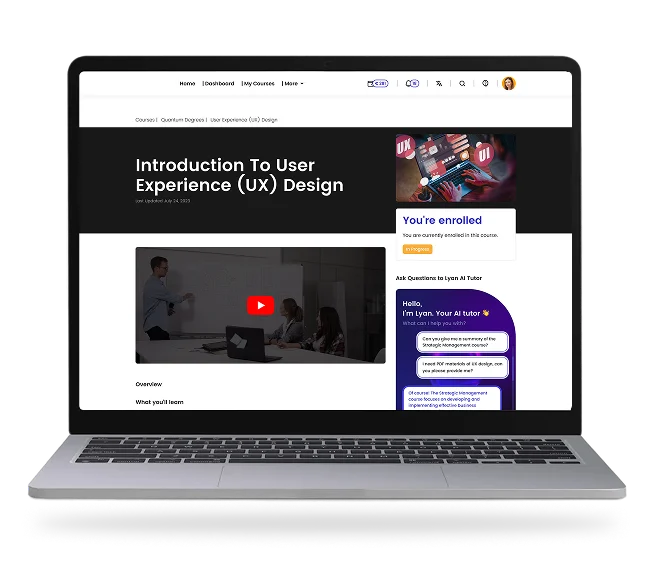
Intelligent LMS with Generative AI
Leverage generative AI in your LMS to personalize learning paths, automate administrative tasks, and deliver adaptive insights that elevate training and engagement.
Flexible Hiring Models
Choose the plan that suits your business. Hire remote React Native developers by the project or the hour. Scale up or down as your roadmap changes.
- Recommended
Part-time React Native Expert
Accelerate your project roadmap with high-impact React Native support on a flexible, fractional basis.
- Agile sprint participation
- Scale hours up or down based on feature demand
- Seamless integration with your Jira/Slack
- Perfect for feature enhancements & maintenance
- Recommended
Full-time React Native Developers
Max out your development speed with a 100% committed expert embedded directly into your internal team.
- 160 hours of monthly throughput
- Daily stand-ups and real-time communication
- Long-term stability for complex architectures
- Expertise in native bridges (Swift/Kotlin)
- Recommended
Hire Developers Hourly
Access expert React Native app developers for troubleshooting and prototyping exactly when you need it.
- Zero long-term commitment or lock-ins
- Direct access to senior experts for debugging
- Ideal for rapid MVPs and performance audits
- Onboarded and coding in under 72 hours
What to Look for When Hiring React Native Developers
Look for developers who excel in building cross-platform apps with native performance. Ensure they can optimize development timelines, reduce costs, and create seamless, high-quality user experiences on both iOS and Android.
Deep Mastery of JavaScript & TypeScript
Fluent in modern JavaScript (ES6+) and TypeScript for improved code reliability and early error detection in large-scale projects.
Native Platform Knowledge
Understand platform-specific design guidelines and use Native/TurboModules to bridge JavaScript with native code (Swift/Kotlin).
Advanced State Management Expertise
Proficient in managing global state with Zustand or Redux Toolkit and server-side data synchronization with React Query.
Performance Profiling and Optimization
Skilled in optimizing performance bottlenecks, managing memory leaks, and understanding the impact of Hermes on app startup.
Experience with Modern Architecture & Tooling
Familiar with Fabric/TurboModules and choosing between Expo or React Native CLI based on project requirements.
Comprehensive Testing and Debugging
Experienced with Jest for unit testing, React native testing library for component testing, and Detox for end-to-end testing.
10 Critical Competencies
to Look for in React Native Developers
Developers should prioritize preventing "spaghetti code" by implementing MVVM, Clean Architecture, or Atomic Design. This ensures that as the app grows, the codebase remains modular, easy to test, and easy for new team members to navigate.
React Native developers need more than just high-level JS knowledge. They should leverage JavaScript Interface (JSI) and the Fabric renderer to eliminate the "bridge" bottleneck, resulting in synchronous execution and high-performance UI comparable to native apps.
An expert developer isn’t limited by available NPM packages. They should be able to jump into Xcode or Android Studio to write custom Native Modules for specialized hardware or sensor data, bridging the gap between React and the underlying OS.
Beyond basic types, developers should use TypeScript features like Generics and Mapped Types to create a self-documenting codebase, eliminating runtime errors and ensuring predictable, valid data flow through the app.
Efficient data syncing is crucial for performance. Developers should use tools like TanStack Query (React Query) and state managers like Zustand or Jotai to efficiently manage server state, cache data properly, and reduce API costs while ensuring instant app responsiveness.
Developers should utilize tools like Flipper, Hermes Profiler, and React DevTools to identify performance bottlenecks. They must optimize memory usage and FlatList performance to ensure smooth 60FPS interactions, even on low-end devices.
Developers should implement a rigorous testing strategy, using Jest for logic, React Native Testing Library for components, and Detox for End-to-End (E2E) automation. This approach ensures rapid feature releases while maintaining reliability.
Developers must automate the build and deployment process using tools like Fastlane and GitHub Actions. They should navigate the complexities of App Store Connect and Google Play policies to ensure smooth updates without delays or rejections.
Security should always be a priority. Developers need to implement SSL pinning, Keychain/Keystore encryption, and offline support using tools like MMKV or WatermelonDB to ensure the app functions properly and user data stays protected, even in offline scenarios.
True senior developers should act as technical leaders, conducting code reviews, mentoring juniors, and translating complex business requirements into clear technical roadmaps. This prevents wasted development time and ensures alignment with business goals.
Hidden Brains vs. Others - What is Best
Choosing the right option between a freelancer and a dedicated agency goes beyond budget; it's about the approach. For small tasks, freelancers offer flexibility, but for complex business applications, a React Native agency provides the stability needed for success.
| Factor | Hidden Brains | In-house Team | Recruitment Agencies | Freelancers |
| Experts | Pre-vetted, real-world React Native experience | Limited to general developers | Depends on profiles | Inconsistent |
| Time to Hire | 48–72 hours | 4–6 weeks | 2–4 weeks | Days or weeks |
| Use-case Understanding | Strong alignment with React Native workflows | Requires ramp-up | Varies by candidate | Shallow |
| Engagement Models | Flexible (full-time, part-time, hourly) | Fixed payroll | Fixed retainers | Hourly or fixed |
| Collaboration Structure | SLA-driven, process-aligned | Workload dependent | May vary | Individual dependent |
Frequently Asked Questions (FAQ’s)
Got questions about the hiring process or react native? We have got you covered.
Achieving high-quality code is a process, not an accident.
Enforce TypeScript: It helps catch up to 15% of bugs early in development.
The Testing Pyramid: Ensure your team uses Jest for unit testing, React Native Testing Library for integration, and Detox for end-to-end automation.
Automated Linting: Tools like ESLint and Prettier ensure consistent, clean code, even across distributed teams.
Choose React Native if you want to launch on both iOS and Android simultaneously, need to keep costs low, or are building data-driven apps (Ecommerce, Social, SaaS).
Choose Native (Swift/Kotlin) if you’re creating high-performance games, AR/VR experiences, or apps that need heavy background sensor use or custom hardware integration.
Absolutely. While no framework is 100% foolproof, React Native is trusted by major companies like Microsoft, Shopify, and Bloomberg.
React Native can be highly secure for enterprise apps when combined with best practices like code obfuscation, secure API integration, proper authentication, and regular updates, ensuring data protection and compliance at scale.
A senior React Native developer should possess expertise in:
- The “New Architecture”: Familiarity with JSI, TurboModules, and Fabric.
- Native Knowledge: Ability to write custom bridges in Swift or Kotlin when libraries are unavailable.
- State Management: Proficiency in tools like Zustand, Redux Toolkit, or TanStack Query.
- Asynchronous Collaboration: Use tools like Slack/Teams for daily communication, and rely on Jira or Linear for task tracking.
- Overlap Hours: Ensure 2–4 hours of live collaboration for effective code reviews and team synchronization.
- Standardized Environments: Utilize Docker or Expo to eliminate “it works on my machine” issues, ensuring a consistent development environment.
Get More For Your Business
Blogs & Insights
Explore the latest trends, tips, and insights on Flutter, app development, and digital innovation to stay ahead.


Our Honored Partners
Distinct paths, same result — purposeful, precise, powerful.

to real-world impact.
They were simply the experts in AI technology. What was just an idea for me, they went the extra mile and made it a solution. My business has witnessed a positive change.

in our journey.
Hidden Brains didn’t just develop our platform—they became true partners. Their team understood our vision, offered smart suggestions, and treated Epicquire like their own.

integrations look easy.
Team Hidden Brains has worked tremendously and has easily integrated this complex functionality into our system. They were good at their job and provided continuous support.

with Hidden Brains.
Throughout the project, communication was seamless and efficient. I want to express my appreciation for the wonderful job and the excellent service that Hidden Brains, did in creating my first ever App ControlBabyGender.




Talk to Us
Ideas matter. Our direction makes them real.

